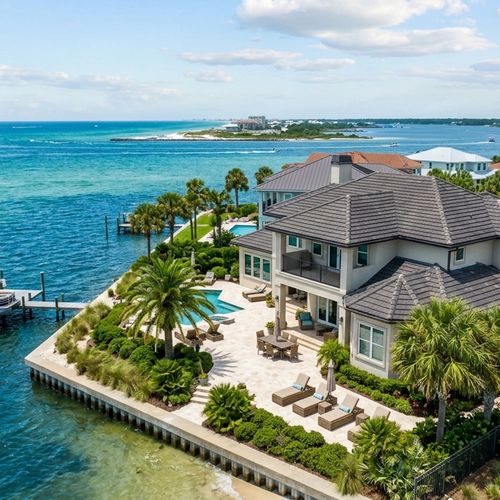

Living in Panama City Beach, FL: Pros, Cons, and What to Expect in 2026
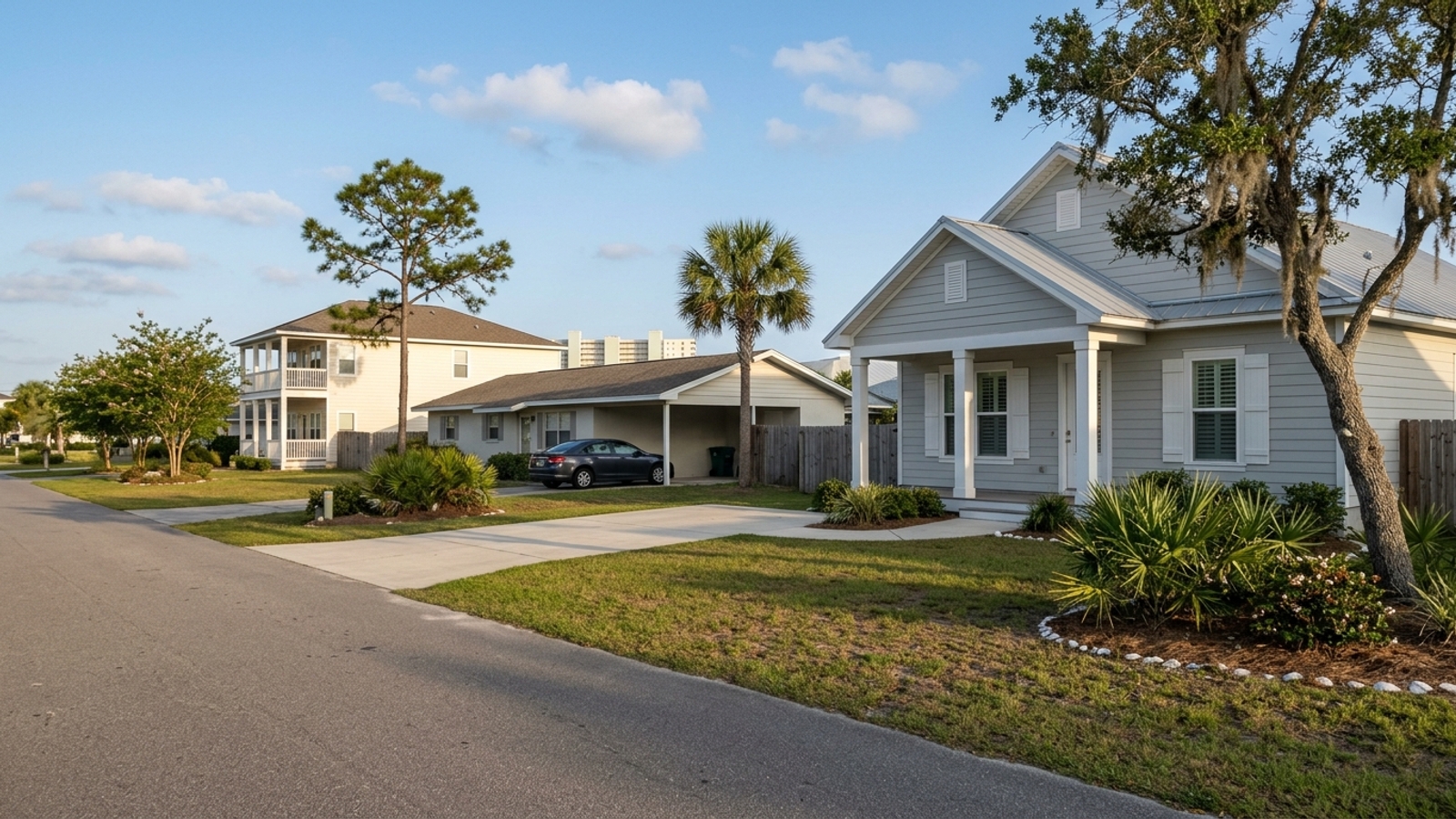
Panama City Beach, FL, sits on the Gulf Coast in Bay County, and it draws new residents for two reasons that are hard to argue with: waterfront access and a local economy that's growing. But people buying a home in Panama City Beach, FL are usually weighing those draws against some real everyday considerations - commute logistics, seasonal weather, and what coastal living costs month to month.
Right now the local market is carrying about 941 active listings, which is more inventory than buyers have seen in a while. Local costs, housing types, and infrastructure details tell you a lot more than any list of attractions ever could.
The Quick Verdict on Panama City Beach
This comes down to a fairly straightforward tradeoff: housing costs and climate exposure on one side, coastal access and a growing market on the other. The area's overall cost of living index is 116 - so you're looking at roughly 16% above the national average before you factor in a single line item.
The two numbers buyers most often underestimate are property insurance and commute time. Neither is disqualifying, but both need to be in your monthly budget before you fall in love with a floor plan.
Pros at a Glance
You've got immediate access to Gulf Coast beaches, parks, and waterfront recreation. The market currently sits at roughly 8.9 months of supply, which means you have real negotiating room. There's also a range of specialized housing options in the area, including senior and assisted living facilities.
Cons at a Glance
Hurricane exposure is real, and so are the insurance premiums that come with it. The cost of living outpaces the national average, and during peak tourist season, everyday expenses tend to creep higher. Traffic along Front Beach Road and Panama City Beach Parkway gets noticeably worse in the summer - that's not a maybe, that's a certainty.
Factors to Weigh
Your daily routine matters here. If you're commuting to the mainland for work, crossing the Hathaway Bridge every day is part of the deal. It's also worth pulling the city's annual water quality report when you're evaluating specific properties - that's a step a lot of buyers skip and probably shouldn't.
Location and Geography of Panama City Beach
Panama City Beach is in Bay County along the Florida Panhandle. The city covers a total area of 19.53 square miles - 19.32 square miles of land and 0.20 square miles of water. It's a compact footprint, which means most homes are closer to the coastline than you might expect.
One thing that trips up a lot of buyers: Panama City Beach and the city of Panama City are two separate municipalities. They're not interchangeable. Panama City sits to the east, across St. Andrew Bay, and residents typically travel between the two via U.S. Highway 98.
Proximity to Panama City
The shared name creates genuine confusion, but the two cities have distinct housing markets and different day-to-day feels. The drive between them runs about 15 to 20 minutes depending on traffic over the Hathaway Bridge. A lot of Panama City Beach residents make that commute regularly for government services, major medical centers, and larger corporate employers.
Population and Size
The population of Panama City Beach sits at 18,971, according to the 2024 American Community Survey estimates. That's up from 18,094 in the 2020 Census - steady growth, not a spike. Within that 19.53-square-mile footprint, you're never far from the water.
Crime Statistics and How to Research Them
The published crime rate for Panama City Beach is 36 per 1,000 residents, based on 2024 and 2025 data. One context point worth knowing: that per-capita figure is calculated against the permanent population, not the much larger seasonal visitor count. That affects how the number reads.
The most reliable way to understand local incident rates is to go straight to primary sources - the Panama City Beach Police Department and the Bay County Sheriff's Office both report to state and federal databases.
Panama City Beach Crime Rates
The rate of 36 incidents per 1,000 residents covers both property and violent crimes across the entire 19.53-square-mile city. If you want to verify or dig deeper, the FBI's Uniform Crime Reporting (UCR) program and local law enforcement publications are where to look - not aggregator sites that may be working from outdated pulls.
Finding Data for Specific Areas
If you're interested in a particular street or subdivision, the Panama City Beach Police Department has online crime mapping tools. For properties in unincorporated areas just outside the city limits, the Bay County Sheriff's Office handles public records requests. Going to those sources directly gives you the most accurate read for your specific situation.
Cost of Living and Housing Prices
The median sale price for a home in Panama City Beach is currently around $362,260. Homes are sitting on market for roughly 108 days, and sellers are accepting offers at an average of 95.3% of list price - so there's some room to work with. On the rental side, median gross rent is $1,791 per month.
The overall cost of living index of 116 means you're running about 16% above the national baseline. Housing and insurance are the main drivers.
Home Prices and Rent
With 941 homes currently listed and about 8.9 months of supply, this is a buyer's market by most measures - only about 1.8% of recent sales closed above asking. The Census reports a broader median home value of $441,300 for the area, which reflects the full range from modest inland homes to higher-priced coastal properties.
Everyday Expenses
The median household income in Panama City Beach is $80,941. That income has to stretch to cover elevated housing costs, local taxes, and groceries that tend to carry a slight premium in this market. Wind and flood insurance deserve their own line in any budget you're building - they're not incidental costs here.
Demographics and Community Profile
Panama City Beach has 18,971 residents - a mix of working professionals, retirees, and people who are here seasonally. The median age is 45.4 years old.
According to the 2024 American Community Survey, 61% of the population falls between 18 and 64. Residents 65 and over make up 23% of the community, and those under 18 account for the remaining 16%.
Age Profile and Growth
The age distribution tells you something useful: this is a place with both a solid working-age base and a significant retiree presence. The population growth since 2020 has pushed expansions in local infrastructure and commercial services, which is what happens when a small coastal city starts adding permanent residents year over year.
Local Amenities and Civic Life
The community has public parks, recreational facilities, and a public library system. Civic life centers on local government meetings, community events at Aaron Bessant Park, and volunteer organizations. These amenities serve the permanent population year-round.
Climate, Weather, and Utilities
Panama City Beach has a humid subtropical climate: hot summers, mild winters, and a direct line to whatever the Gulf of Mexico is doing on any given day. That last part is what separates this market from most others in Florida - the coastal exposure is not abstract.
The city manages water and sewer services for residents within the municipal boundaries. These are practical details worth evaluating before you're under contract, not after.
Hurricane and Flooding Exposure
Hurricane season runs June through November in Bay County. Flood risk in Panama City Beach varies considerably depending on a property's elevation and how close it sits to the water. Before you close on anything here, pull the FEMA flood maps and have an honest conversation with an insurance agent about what coverage will cost.
Tap Water Quality
The city publishes an Annual Water Quality Report for residents. The municipal water source is purchased surface water. The Environmental Working Group (EWG) Tap Water Database notes that 12 contaminants exceed their specific health guidelines - which is why some residents choose to install home filtration systems.
Comparing Panama City Beach to Panama City
Buyers searching Bay County almost always end up comparing these two municipalities at some point. They're genuinely different places - different housing styles, different price points, different daily rhythms.
Panama City Beach runs on a tourism-driven economy with immediate Gulf access as its core selling point. Panama City is the county seat, with more historic neighborhoods and a denser commercial infrastructure.
Cost and Housing Differences
Panama City Beach commands higher prices, driven by its coastal location and the vacation rental market that comes with it. The inventory here leans toward condominiums, townhomes, and newer single-family subdivisions. Panama City has older, established neighborhoods with more traditional single-family homes and generally lower price points.
Commute and Lifestyle Tradeoffs
A Panama City Beach address means accepting heavier seasonal traffic on U.S. 98 and Front Beach Road - that's the price of Gulf access. Panama City gives you a shorter, more predictable commute to major mainland employers and a steadier year-round traffic pattern, but you'll need to cross the bay every time you want a beach day.
Housing Options by Life Stage
The Panama City Beach market includes specialized facilities for residents with specific lifestyle and medical needs alongside standard condos and single-family homes. These range from active adult communities to dedicated care facilities, and several are already established within Bay County.
The specific services and costs of each facility matter. General availability is one thing; whether a particular facility is the right fit is another.
Senior and Assisted Living
Several senior living and assisted living facilities operate in Panama City Beach, serving older adults who need varying levels of care. Daily assistance, medical monitoring, and social programming are all part of what these communities offer. The fact that 23% of the population is 65 or older keeps demand for these options consistent.
Sober Living Facilities
The area also has sober living homes - structured, substance-free environments for people in recovery. They provide transitional housing with peer support and accountability rules built in. Availability shifts, so contacting local recovery organizations directly is the most reliable way to find current openings.
Local Amenities and Services
Bay County provides the primary public services and educational infrastructure for Panama City Beach residents. The local mix includes municipal services and private commercial development, serving a year-round population of nearly 19,000.
Local schools, healthcare, and recreation give you a clearer picture of daily life than any amenity checklist.
Schools and Parks
Students in Panama City Beach attend Bay District Schools. The district covers all of Bay County with one exception: Mexico Beach, which is served by Gulf County Schools. The district runs 48 schools in total, including Bay High School and Lynn Haven Elementary.
Healthcare and Nightlife
For everyday medical needs, local clinics and urgent care centers handle most of what comes up. Major hospitals are across the bridge in Panama City. The dining and nightlife scene runs along the beachfront and Pier Park - restaurants, retail, and entertainment venues that stay open year-round.
Frequently Asked Questions
Is Panama City Beach, FL a good place to live?
The area offers Gulf Coast amenities, a median household income of $80,941, and an active real estate market. The cost of living runs 16% higher than the national average, and residents deal with seasonal traffic and hurricane exposure. Whether it works for you depends on how those costs and climate factors line up with your budget.
What are the cons of living in Panama City Beach?
The main drawbacks are a cost of living index of 116, exposure to severe coastal weather, and the necessity of flood and wind insurance. Traffic congestion also increases during the summer tourist season.
Is Panama City Beach expensive to live in?
Yes. The median home sale price is currently around $362,260, median gross rent is $1,791 per month, and the overall cost of living index is 116. Housing and coastal insurance premiums are the primary drivers.
What do the crime statistics show for Panama City Beach, FL?
The published crime rate is 36 per 1,000 residents, based on 2024 and 2025 data. That figure uses the permanent population as the baseline, not the seasonal tourist count. You can review specific incident reports through the Panama City Beach Police Department.
Is Panama City Beach or Panama City a better fit to live in?
It depends on your daily routine and housing budget. Panama City Beach gives you immediate Gulf access and newer coastal properties, but comes with a higher cost of living and seasonal traffic. Panama City offers a more traditional residential environment, shorter commutes to mainland employers, and generally lower housing costs.
What specialized housing options, like senior and assisted living, are available in Panama City Beach?
The city has several senior and assisted living facilities serving the 23% of the population aged 65 and older. There are also sober living homes in the area that provide structured transitional housing.
How does the area compare to Destin?
Many buyers looking along the Florida Panhandle compare Panama City Beach vs Destin before making an offer. Both markets provide immediate Gulf Coast access and deal with heavy seasonal traffic during the summer months. The right choice usually comes down to their specific housing costs and local infrastructure.
How does the market compare to Gulf Shores, Alabama?
Anyone looking at coastal real estate often weighs Panama City Beach vs Gulf Shores, AL before finalizing a move. Both cities share similar climate factors, including hurricane exposure and the necessity of wind and flood insurance. The final decision typically depends on which state's local amenities and housing prices better fit your monthly budget.
Check out this article next