
Homebuyer Assistance in Panama City Beach, FL: 2026 Guide to Down Payment Programs
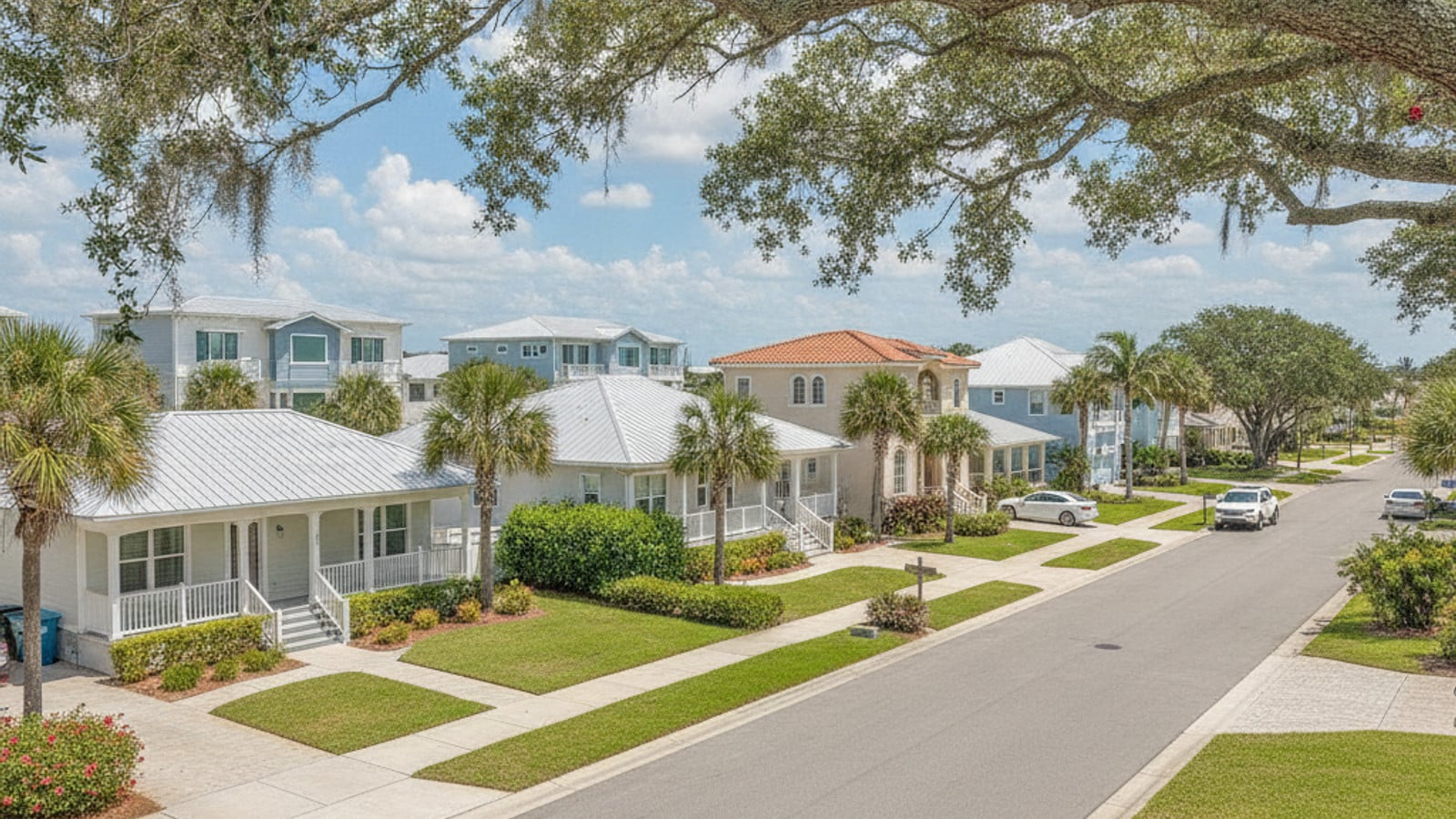
The median listing price for a single-family home in Panama City Beach, FL sits well above the state average, making the upfront costs of buying a challenge for many local workers. Saving a traditional 20% down payment on a $550,000 property requires setting aside more than $100,000 in cash.
Fortunately, buyers looking in Bay County have access to several down payment assistance programs designed to ease this financial barrier. State and county initiatives offer deferred, zero-interest loans that can cover down payments and closing costs, allowing buyers to keep their savings intact for moving expenses and home maintenance.
How Local Funding Works in Bay County
Because Panama City Beach operates within Bay County, buyers here pull from county-level and state-level funding pools rather than city-specific grants. The two primary avenues for funding in 2026 are the local State Housing Initiatives Partnership (SHIP) program and the statewide Florida Housing Finance Corporation programs.
These funds are not traditional cash grants. Instead, they operate as "silent second" mortgages, meaning the buyer receives a zero-interest loan that requires no monthly payments. The loan is simply deferred until the home is sold, refinanced, or no longer used as a primary residence.
The ReHouse Bay SHIP Program
The Bay County SHIP program, locally known as ReHouse Bay, offers substantial support for buyers purchasing in unincorporated Bay County and Panama City Beach, FL. Depending on the applicant's household income tier, the program provides up to $50,000 or $75,000 toward down payment and closing costs.
The ReHouse Bay loan is forgiven over a 15-year period. If the buyer stays in the home for the full 15 years, the entire balance is wiped clean. Selling or refinancing earlier triggers a prorated repayment to the county.
Florida Hometown Heroes
The Florida Hometown Heroes program provides up to 5% of the first mortgage loan amount, capped at $35,000. This state-level fund targets full-time workers employed by Florida-based companies, with a focus on frontline workers, healthcare professionals, educators, and active military personnel.
Unlike the county SHIP funds, Hometown Heroes loans are not forgiven over time. The balance remains attached to the property as a zero-interest lien and must be repaid in full when the buyer eventually sells the property or refinances the first mortgage.
Who Qualifies for These Programs
Eligibility comes down to household income, employment status, and the type of property being purchased. Most programs define a first-time homebuyer as anyone who has not held an ownership interest in a primary residence during the past three years.
Buyers should also prepare for mandatory education requirements before they can close on a house. Both county and state programs require applicants to complete a HUD-approved homebuyer education course, which covers budgeting, mortgage terms, and property maintenance.
Income and Purchase Price Caps
Funding is tiered based on the Area Median Income for Bay County. For 2026, the Hometown Heroes program allows household incomes up to roughly $146,050, while the ReHouse Bay program has lower thresholds based on specific household sizes.
Property price caps also play a major role in determining what a buyer can purchase. The ReHouse Bay program caps the maximum purchase price at $481,176, which means buyers in Panama City Beach, FL will likely need to focus their search on townhomes, condos, or smaller single-family properties slightly inland.
Residency and Property Types
All state and county assistance funds require the property to serve as the buyer's primary residence. Vacation homes, short-term rentals, and pure investment properties are entirely excluded from these initiatives.
Approved property types generally include single-family homes, townhouses, and warrantable condominiums. Manufactured homes are sometimes eligible under the Bay County SHIP program, provided they were built after 1994 and sit on land owned by the buyer.
Frequently Asked Questions
Can I use these programs for an investment property in Panama City Beach?
No. Every down payment assistance program in Bay County requires the buyer to use the home as their primary residence. If you rent out the property or use it as a short-term vacation rental, the full assistance amount becomes immediately due.
Do I have to pay back the down payment assistance?
It depends on the specific program you use. The Florida Hometown Heroes funds must be repaid when you sell or refinance, while the ReHouse Bay SHIP funds are gradually forgiven over a 15-year period of continuous occupancy.
What happens if the program runs out of money?
Funding for these initiatives is distributed on a first-come, first-served basis and often depletes before the end of the fiscal year. Buyers should secure their mortgage pre-approval early and check with their lender about current 2026 fund availability before making an offer on a house.
Check out this article next