
If you drive along the Florida Panhandle, you might be surprised by how quickly the scenery changes. One minute you are looking at towering high-rises and neon lights, and ten minutes later, you are cruising past white picket fences and pastel cottages hidden behind sand dunes. This is the Emerald Coast, and it offers two drastically different lifestyles separated by just a few miles of asphalt.
When clients come to me looking to buy along this stretch of the Gulf, the conversation almost always boils down to two main contenders: Panama City Beach (PCB) and Santa Rosa Beach (often referred to simply as "30A"). PCB is the high-energy, vertical beach town known for action and density. Santa Rosa Beach, specifically the Scenic Highway 30A corridor, is the boutique, low-density escape known for its luxury aesthetic. Your choice really depends on whether you prioritize action and affordability or curated tranquility and exclusivity.
Lifestyle & Vibe: High-Rise Action vs. Curated Calm
Let’s talk about the daily rhythm of these two areas, because they feel like different worlds.
Panama City Beach is the action hub of the coast. It is vibrant, unapologetically energetic, and built for entertainment. The skyline is defined by high-rise condo towers that offer sweeping views of the Gulf. It draws a diverse mix of people, from spring breakers and bike week enthusiasts to winter residents ("snowbirds") who want convenience. If you like having major attractions like Pier Park, Ripley’s, and a wide variety of nightlife right outside your door, PCB delivers that classic beach town buzz.
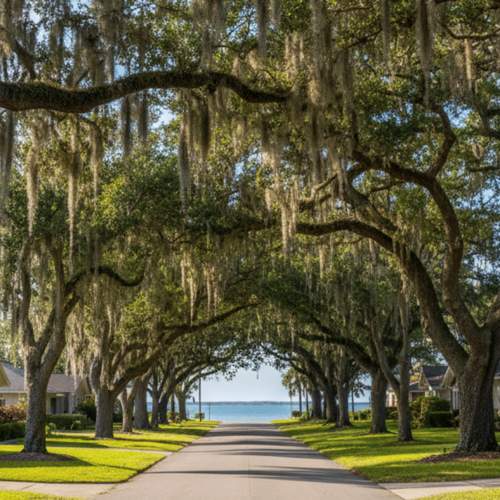
In contrast, Santa Rosa Beach and the 30A corridor offer a "boutique escape." This area is famous for "New Urbanism"—master-planned communities like Seaside, Rosemary Beach, and Alys Beach where the car takes a backseat to walking and biking. The vibe here is laid-back luxury. Instead of neon signs and go-kart tracks, you’ll find art galleries, brunch spots, and farmers markets. It is quieter, more focused on aesthetics, and generally moves at a slower pace.
The crowd levels differ significantly, too. PCB experiences heavy seasonal surges—it gets very busy during Spring Break and summer holidays. 30A certainly has a peak summer season where the towns fill up, but it maintains a steady, upscale village feel. You won't find the same level of gridlock-style partying on 30A; it’s more about evening concerts on the green and sunset cocktails.
Real Estate Market Comparison (2026 Data)
When we look at the numbers, the divide between these two markets becomes even clearer.
Panama City Beach is predominantly a condo market. While there are single-family neighborhoods, the inventory is heavily weighted toward vertical living. This creates a lower barrier to entry for buyers wanting waterfront property. You can typically find Gulf-front condos ranging from $400,000 to $800,000 depending on the building and amenities. It’s an accessible price point for many investors looking for Panama City Beach condos for sale.
On the other hand, Santa Rosa Beach and 30A are dominated by luxury single-family cottages and estates. The architectural codes here are strict, designed to maintain property values and a specific visual harmony. This drives up construction costs and, subsequently, listing prices. In 2026, homes on 30A typically range from $1.2M to well over $5M, with the eastern end of 30A often seeing averages near $2.8M.
Currently, we are seeing inventory rise in both locations, creating somewhat of a "buyer's market" environment compared to the frenzy of previous years. Days on market are trending higher—often sitting over 90 days—which gives buyers more leverage. However, despite the cooling pace, 30A prices remain significantly higher per square foot than their neighbors to the east.
Investment Potential: Short-Term Rentals & ROI
If you are looking at this purchase purely as an investment, the rules of the game are different in each county.
PCB is generally very investor-friendly. Most condos are zoned for short-term rentals (STR), and the regulations are straightforward. Because PCB is a high-volume destination, occupancy rates can be very high, even if the nightly rates are lower than on 30A. A typical beachfront condo might generate gross revenue between $45,000 and $85,000 a year, relying on steady turnover during the peak months.
30A is lucrative but more complex. While homes for sale on 30A command premium nightly rates, you have to watch the HOA documents closely. Some neighborhoods, particularly in master-planned communities like Rosemary Beach or Alys Beach, have strict rental restrictions or architectural guidelines that impact your operating costs. However, for STR-eligible homes, the revenue potential is massive, with luxury properties often exceeding $150,000 to $250,000 in gross annual revenue.
Seasonality plays a role here as well. PCB relies heavily on the traditional Spring Break and Summer volume. 30A has a strong Summer season but also a surprisingly robust Fall season, attracting a higher-income demographic looking for "shoulder season" getaways.
Cost of Living: Housing, Taxes, and Everyday Expenses
Once you move past the purchase price, the monthly cost of living paints an interesting picture.
Housing costs are obviously the biggest differentiator. As mentioned, buying on 30A can cost two to three times as much as PCB for comparable square footage. However, the tax situation flips the script slightly. Panama City Beach is in Bay County, while 30A is in Walton County. Historically, Walton County has maintained one of the lowest ad valorem tax rates in Florida. While your home value is higher on 30A, the lower millage rate helps offset that tax bill slightly compared to what you might expect.
HOA fees are another major factor to budget for. On 30A, HOA fees in prominent communities can be substantial because they cover extensive amenities, private beach clubs, and immaculate landscaping. In PCB, condo fees are also high, but for different reasons—they often cover exterior insurance (which has risen across Florida) and maintenance for large, aging concrete structures.
For day-to-day expenses, PCB offers more "normal" living costs. You have access to big-box stores like Walmart, Aldi, and standard gas stations. On 30A, groceries and dining are often priced for the luxury tourist market. If you live on 30A full-time, you might find yourself driving into PCB or Destin just to do a regular grocery haul without the "resort tax" markup.
Beaches, Amenities, and Access
Both areas offer the stunning emerald waters we are famous for, but how you access the sand is very different.
Panama City Beach is known for abundant public beach access, similar to Miramar Beach. There are dozens of public parking lots and walkovers, and the beaches themselves are wide and flat. It is rare to worry about where you can set up your chair in PCB.
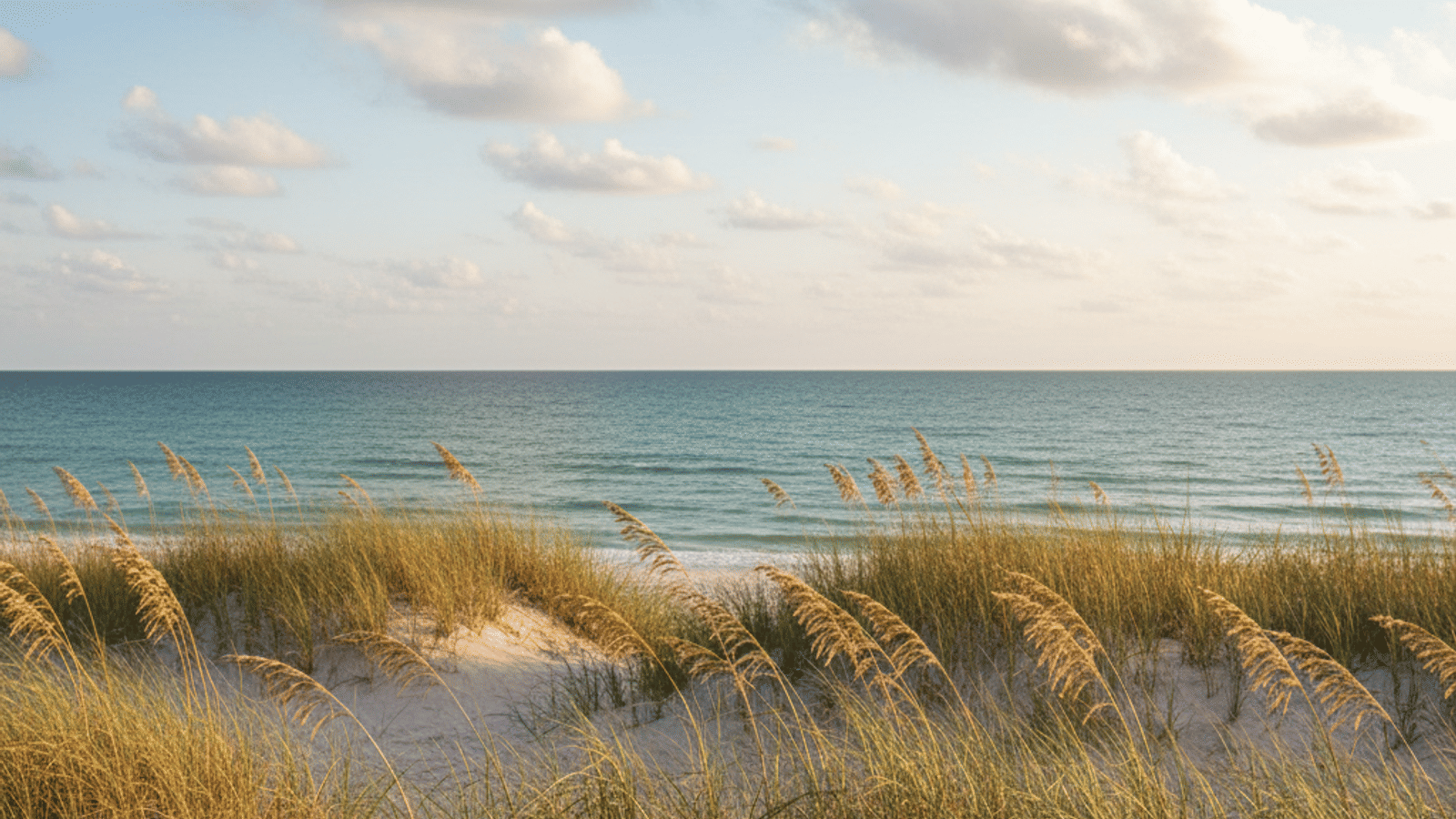
30A, conversely, has faced ongoing disputes regarding "customary use" and private beaches. Many beachfront sections on 30A are deeded to private homeowners or specific HOAs. If you aren't staying in that specific community, you cannot use that slice of sand. While there are public regional beach accesses, they fill up fast. However, 30A offers unique topography you won't find in PCB, including rare coastal dune lakes and high sand dunes that provide dramatic views.
Regarding amenities, it’s a choice between convenience and charm. PCB gives you Pier Park—a massive 900,000+ square foot shopping complex with cinemas and major chains. 30A actively discourages chains. You won't find a McDonald's on Scenic Highway 30A. Instead, you get food trucks, high-end boutiques, and the Timpoochee Trail—an 18-mile paved path that connects the villages and is always full of cyclists and joggers.
Logistics: Traffic, Commute, and Travel
Getting around is the final piece of the puzzle. Both areas are served by the Northwest Florida Beaches International Airport (ECP). PCB is closer, typically a 15-20 minute drive, while reaching 30A takes about 30 to 45 minutes depending on which village you are heading to.
Traffic patterns are distinct. PCB can get gridlocked during major events like Thunder Beach or peak Spring Break weekends. It’s a city traffic vibe. On 30A, traffic is heavy in the summer, but it moves at what locals call "golf cart speed." Since 30A is essentially a two-lane scenic road, getting from one end to the other in July can be slow going.
However, 30A wins heavily on walkability. The design of towns like Seaside implies that once you park your car, you might not need to touch it for a week. You can walk or bike to dinner, the beach, and the market. In PCB, things are more spread out, and you generally need a car for your daily errands.
Verdict: Who Should Choose Which?
So, where should you plant your flag?
Choose Panama City Beach if: You want expansive waterfront views for under $1 million, you love being in the middle of the action with plenty of nightlife options, or you are a first-time investor seeking steady rental volume without the high entry price. It’s ideal for those relocating to the Emerald Coast who want a classic, convenient coastal lifestyle.
Choose Santa Rosa Beach / 30A if: You seek privacy and exclusivity, you appreciate architectural beauty and strict design standards, and you have a higher budget to support a luxury lifestyle. If you want a walkable village atmosphere where the pace is slow and the aesthetics are curated, this is your spot.
Frequently Asked Questions
Is 30A more expensive than Panama City Beach?
Yes, generally speaking, real estate and daily living costs on 30A are significantly higher. Entry-level homes on 30A often start over $1 million, whereas you can find diverse real estate in PCB, including condos, for under $500,000.
Can you access the beach easily in 30A vs PCB?
Panama City Beach has frequent public access points and very few restrictions on where you can walk or sit on the sand. 30A has a mix of public and private beaches; many beachfront areas are reserved exclusively for owners and guests of specific communities, so it is important to know your deeded access rights.
Which area is better for full-time living?
This depends on your preferred pace of life. 30A offers a strong sense of community with walkable town centers and a quieter, village-like atmosphere that many full-time residents love. PCB offers more practical conveniences, such as major retailers, medical centers, and diverse dining options, which can make year-round living easier logistically.
How do property taxes compare between Bay and Walton County?
Panama City Beach is in Bay County, while 30A is in Walton County. Walton County typically has a lower millage rate (property tax rate) than Bay County, which can mean lower annual tax bills for 30A owners relative to the high value of their property.
Check out this article next