
For years, Panama City Beach (PCB) had a very specific reputation. If you mentioned moving here, people immediately pictured MTV, chaotic spring breaks, and traffic gridlock on Front Beach Road. But as we head further into 2026, the reality on the ground has shifted dramatically.
While the tourist engine still humms, a distinct "local side" of PCB has emerged that feels worlds apart from the souvenir shops and high-rise condos. With strict new laws taming the party scene and a surge in residential development, many families are finding that the quality of life here is hard to beat—provided you know exactly where to look.
If you are considering trading city sprawl for the Emerald Coast, the answer to "is it good for families?" is generally yes. However, success here depends entirely on separating the tourist traps from the true neighborhoods and preparing for the unique quirks of coastal living.
Safety and Atmosphere: Beyond Spring Break
Let’s address the elephant in the room first. For a long time, the biggest hesitation for buyers with children was the wild spring break atmosphere. That landscape has changed significantly over the last few years.
The "New" March Recent city ordinances have changed the game. The strict enforcement of zero-tolerance policies—specifically the ban on alcohol on the sandy beach during the month of March and earlier alcohol sales cutoffs—has reclaimed the month for locals and calmer visitors. The days of unchecked chaos are largely in the rear-view mirror. You will still see crowds, but the vibe is far more controlled than the stories from a decade ago suggest.
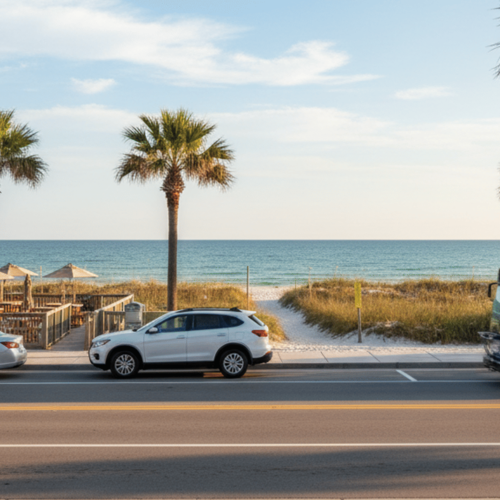
The "Two Cities" Concept To understand safety and atmosphere here, you have to visualize PCB as two different cities layered on top of each other.
- The Tourist Zone: This is primarily Front Beach Road and the immediate condo strip. This is where property crime statistics (often inflated by the sheer volume of visitors) are concentrated.
- The Residential Zone: Once you move slightly inland to the Back Beach Road (Hwy 98) corridor and the neighborhoods behind it, the atmosphere shifts completely. These areas are quiet, community-focused, and feel like typical suburban Florida.
Community Feel Because of the rental market, some streets can feel transient. However, master-planned communities are growing rapidly. In these pockets, you find genuine neighborly vibes, block parties, and kids riding bikes—a sharp contrast to the vacation rental turnover on the beach.
Top Family-Friendly Neighborhoods in Panama City Beach
If you want a stable environment for your kids, staying off the main tourist drag is rule number one. Locals generally cluster in specific subdivisions that offer amenities without the short-term rental chaos.
Breakfast Point This is arguably the gold standard for families right now. It is a massive, master-planned community that feels very established. The biggest draw is walkability and bikeability; you will often see convoys of kids biking to the nearby top-rated elementary school. The homes here are modern, and the location is central, keeping you close to shopping without forcing you onto the busiest roads.
The Glades If you prefer something with more character and less of a "new construction" feel, The Glades is a strong contender. It is an established neighborhood intertwined with a golf course. It tends to be quieter and features mature landscaping, appealing to those who want a bit more space between neighbors.
Colony Club & Tapestry Park Colony Club offers a nice mix of affordability and quiet streets, situated conveniently near the intersection of Hwy 79 and Back Beach Road. Tapestry Park, on the other hand, offers a distinct "village" vibe with alleys, sidewalks, and a very tight-knit community feel that appeals to young families.
For those with higher budgets who find PCB too busy, looking just west toward the 30A corridor (like WaterColor) is an option, though the price jump is steep. Conversely, crossing the bridge into Lynn Haven offers a more traditional, small-town suburban feel that many long-term locals prefer.
When browsing the best neighborhoods in Panama City Beach, always check the HOA restrictions regarding short-term rentals to ensure your street stays residential.
Education: Navigating Bay District Schools
Public education is often the make-or-break factor for relocation. Bay District Schools has some excellent pockets, but the ratings vary significantly depending on the specific zone.
Elementary and Middle School Strength The area shines brightest at the younger levels. Patronis Elementary is consistently highly rated and is a major draw for families moving to the east end of the beach. It has a reputation for strong parental involvement. Moving up, Surfside Middle School is a solid performer that feeds well into the local high school system.
The High School Context Arnold High School serves the beach population. While it offers strong athletic programs and creates a good sense of community, its academic ratings have historically fluctuated around average levels compared to state leaders. Many parents are happy there, but some opt for charter options or focus on Advanced Placement (AP) and IB tracks to ensure academic rigor.
Military Families With Tyndall Air Force Base and NSA Panama City nearby, the district is a "Purple Star District." This means the schools are well-equipped to handle the transitions of military children, offering robust support systems for families transferring in. Find more about schools in Panama City Beach.
Lifestyle: Beaches, Parks, and Healthcare
Daily life here is about more than just sand, though having world-class beaches five minutes away is a nice perk.
The Beach Reality Locals rarely go to the main tourist access points near Pier Park. Instead, residents use the quieter public access points on the east or west ends where the crowds thin out. It is genuinely possible to have a relaxed beach day even in July if you know where to park.
Frank Brown Park This is the heartbeat of family recreation in PCB. Spanning over 200 acres, it hosts everything from youth baseball and soccer leagues to a massive aquatic center. If your kids play sports, you will spend your weekends here. It’s also adjacent to Pier Park, which is great for walking, movies, and dining, though locals tend to visit on weekdays to avoid the weekend rush.
Healthcare Access For families, proximity to reliable healthcare is non-negotiable. PCB is serviced by Ascension Sacred Heart Bay (which has a dedicated beach location for urgencies and a main hospital across the bridge) and HCA Florida Gulf Coast Hospital. You have access to Level II Trauma care and major specialists without leaving the county.
The Traffic Battle You have to learn the roads. Locals distinguish between "Front Beach Road" (Tourist/Scenic) and "Back Beach Road" (Hwy 98/Commercial). From May through August, traffic on Back Beach Road can be intense. Learning the "middle roads" like Hutchison Blvd and various cut-throughs is essential for maintaining your sanity during peak season.
Cost of Living & Real Estate Reality
The sticker price of a home here often looks attractive compared to South Florida or the 30A corridor, but there are hidden costs you need to budget for.
The Insurance Factor This is the most critical financial detail for any buyer in 2026. Flood and wind insurance can be significant monthly expenses.
- Flood Zones: Always check if a home is in an "X zone" (lower risk, lower cost) or an "AE zone" (high risk, high cost). A home in an AE zone might look cheaper, but the mandatory flood insurance could add hundreds to your monthly payment.
- Wind Insurance: Given the coastal location, premiums remain high across the board.
HOAs and Daily Costs While grocery and gas prices carry a slight "beach tax" compared to inland Florida, housing costs in PCB are generally moderate. However, pay close attention to HOA fees. Gated communities and condos often carry high monthly assessments to cover amenities and insurance.
When calculating the true cost of living in Panama City Beach, ask your lender for a "PITI" estimate (Principal, Interest, Taxes, and Insurance) rather than just looking at the mortgage principal.
Summary: Pros and Cons for Families
If you are on the fence, here is how the trade-offs usually stack up for residents.
Pros:
- Outdoor Lifestyle: Access to beautiful state parks, beaches, and boating is unmatched.
- Tax Benefits: No state income tax stretches your salary further.
- Amenities: Frank Brown Park and the sports complex are top-tier for kids.
- Changing Reputation: The area is becoming safer and more family-oriented every year.
Cons:
- Insurance Costs: Homeowners insurance and flood policies are expensive.
- Seasonal Traffic: Getting across town in June and July takes patience.
- School Ratings: High school options are decent but may require active parental navigation.
- Transient Zones: You must choose your neighborhood carefully to avoid being surrounded by short-term rentals.
FAQ: Family Life in Panama City Beach
Is Panama City Beach safe for families during Spring Break?
Yes, much safer than it used to be. The city enforces strict laws now, including a ban on alcohol on sandy beaches during March and early closures for alcohol sales. These measures have successfully dampened the chaotic party vibe, making the area far more manageable for residents.
What are the best schools in Panama City Beach?
For public schools, Patronis Elementary is highly regarded by locals for its academics and community involvement. Surfside Middle School is also a strong choice. At the high school level, Arnold High serves the beach, though some families look into charter options or magnet programs depending on their student's needs.
Do locals live on Front Beach Road?
Generally, no. Front Beach Road is dominated by high-rise condos, hotels, and vacation rentals. Most year-round residents live along the Back Beach Road (Hwy 98) corridor or in inland subdivisions like Breakfast Point and The Glades to avoid the tourist noise and traffic.
Is it expensive to live in Panama City Beach?
Real estate prices are moderate compared to other Florida beach towns, but insurance is the hidden cost. Wind and flood insurance can be very expensive, so the total monthly cost of living depends heavily on your home's flood zone designation and age of construction.
How bad is the traffic in Panama City Beach?
During the summer season (May through August), traffic on Back Beach Road and Front Beach Road is heavy and slow. Locals adapt by using side streets, running errands early in the morning, or traveling during off-peak hours. The rest of the year, traffic is usually light and manageable.
Check out this article next