
If you were looking at real estate here two or three years ago, you remember the frenzy. Properties were flying off the shelf, bidding wars were the norm, and buyers had almost zero leverage. But as we settle into 2026, the script has flipped.
We are currently seeing a significant shift toward a Buyer’s Market. Inventory levels have surged—up anywhere from 25% to 100% year-over-year depending on the neighborhood—which means you finally have options. Sellers are no longer calling all the shots, and for the first time in a long time, there is real room for negotiation.
As of early 2026, the median sold price in Panama City Beach sits in the $386,000 to $407,000 range. However, listing prices and sold prices are telling two different stories right now. Homes are sitting on the market longer—averaging around 138 days—giving you the time to do your due diligence without feeling rushed.
But here is the reality check: in a coastal market like ours, the "sticker price" is only about half the equation. Between insurance nuances, HOA fees, and short-term rental calculations, understanding the true cost of ownership requires looking beyond the mortgage payment.
Panama City Beach vs. Panama City: Knowing the Difference
Before we dive deeper into the numbers, we need to clear up the most common confusion for out-of-town buyers. "Panama City" and "Panama City Beach" are two distinct cities with different zip codes, different governments, and very different price points.
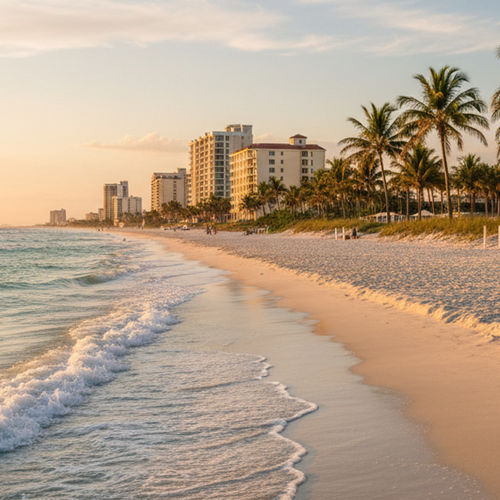
Panama City Beach (PCB) is the coastal resort strip you likely see on postcards. It is home to the famous white sands, the high-rise condos, and the majority of the short-term rental investment properties. Because of the proximity to the Gulf of Mexico, real estate here commands a premium. You are typically looking at a median price in the $400,000 range.
Panama City (PC), on the other hand, is located inland, across the Hathaway Bridge. This is the residential and commercial hub of Bay County. It is where you find the county government, major hospitals, and long-term residents. The housing stock here is primarily single-family homes rather than vacation condos. Consequently, the prices are more affordable, generally trading 15% to 25% lower than the beach, with a median price closer to the $340,000 range.
If you are looking for homes for sale in Panama City Beach, make sure you aren't accidentally pulling data from inland Panama City, or your budget estimates will be off.
Average Home Prices by Property Type
Because our market is split so heavily between vacation condos and suburban single-family homes, a single "average" price can be misleading. To get a clear picture of what your money buys in 2026, we have to break it down by property type.
High-Rise Condominiums
The condo market is currently experiencing an "oversupply" trend. Inventory has stacked up, creating a supply of roughly 12 to 14 months. In real estate terms, that is an extreme buyer's market. Because of this, prices have softened.
Depending on the building's age and proximity to the Gulf, median condo prices are hovering between $325,000 and $400,000. If you are eyeing older buildings, you might find more aggressive pricing, whereas new construction units are holding their value slightly better but still facing competition.
Single-Family Homes
The market for single-family homes is less volatile than the condo sector but is still trending toward buyers. There is a noticeable gap between what sellers want and what buyers are paying. The median list price for a detached home is often seen around $579,000, but the median sold price is closer to $508,000.
This gap proves that sellers are testing the market, but buyers are successfully negotiating prices down. Inventory is growing here as well, meaning you likely won't have to settle for a house that doesn't meet your criteria.
Luxury and Gulf-Front Properties
If you are looking for direct beach access or luxury amenities, the rules change slightly. The premium for "toes in the sand" access is significant. Gulf-front homes and luxury penthouses rarely trade for under $1,000,000, regardless of the broader market trends. However, even in this bracket, the days of rapid-fire cash offers over asking price have cooled significantly.
Total Cost of Ownership: Beyond the Mortgage
When I sit down with clients moving to Panama City Beach, this is the part of the conversation that matters most. The purchase price is just the entry fee; the monthly carrying costs determine if the property is actually affordable for you.
HOA and Condo Fees
If you are buying a condo, the Association fee is likely your biggest variable. In PCB, these fees typically range from $500 to over $1,400 per month.
That sounds high to many first-time buyers, but you have to look at what it covers. In many developments, this fee includes your exterior insurance (wind/hail), water, trash, cable, internet, and amenity maintenance (pools, gyms, beach access). When you bundle those costs, the number often makes more sense, but it must be factored into your debt-to-income ratio.
The Insurance Reality
Insurance in Florida is complex, but recent trends in 2026 offer some relief.
- Condos: Owners generally need an HO-6 policy (walls-in coverage). These are relatively affordable, often around $600 to $900 per year, because the building's Master Policy covers the roof and structure. We have actually seen Master Policy premiums reduce by 10-15% recently, which helps keep HOA fees stable.
- Single-Family Homes: You are responsible for the entire structure. If you are south of Back Beach Road, you will likely need flood insurance in addition to wind/hail coverage. Flood policies can range from $480/year (if elevated) to thousands per year for older, ground-level homes in flood zones.
Property Taxes
Florida is tax-friendly in that we have no state income tax, but property taxes are how local services are funded.
- Investors: Expect to be assessed at the "Non-Homestead" rate. There is a 10% cap on how much the assessed value can increase year-over-year.
- Primary Residents: If you make this your main home, you can file for the Homestead Exemption. This caps your assessment increase at 3% annually—a huge saving over time.
Investment Insight: Short-Term Rental (STR) Market
A large portion of buyers in Panama City Beach are investors looking for returns. With the market shifting, analyzing the Return on Investment (ROI) is critical.
Revenue Potential For a standard investment condo, median annual gross revenue typically lands between $57,000 and $71,000. However, this is highly dependent on how well the unit is managed and marketed.
Seasonality and Occupancy We are a seasonal market. During the peak summer months (June/July), occupancy hits 90%+, and Average Daily Rates (ADR) can spike to $257 - $314. In the winter, things slow down considerably. While "Snowbirds" (winter residents from the north) help fill the gaps, they pay significantly lower monthly rates. Overall, you should budget for an average annual occupancy of around 58% to 61%.
Regulations One major advantage of Panama City Beach is that it is generally friendly toward short-term rentals, specifically in the zoning districts south of Panama City Beach Parkway. This is in stark contrast to inland Panama City, which has much stricter restrictions on rentals under six months. Always verify the zoning of a specific address before making an offer.
Market Trends: What to Expect in 2026
If you are planning a purchase this year, the data points to a window of opportunity. The velocity of the market has slowed, creating a favorable environment for buyers.
Inventory Glut Active listings have doubled in some sectors compared to two years ago. This "glut" means sellers are competing for you. When sellers compete, prices correct. We are seeing list prices slowly adjust downward to meet the reality of what buyers are willing to pay.
Negotiation Leverage Perhaps the biggest change in 2026 is the return of concessions. Two years ago, asking a seller to pay for your closing costs was a deal-breaker. Today, with the sale-to-list ratio hovering around 95%, buyers are successfully negotiating about 5% off the list price, or asking sellers to buy down their interest rate to make the monthly payments more comfortable.
Frequently Asked Questions
Is it expensive to live in Panama City Beach?
While the cost of daily goods like groceries and gas is roughly average for the US, housing-related costs can be higher due to insurance and HOA fees. Living in Panama City Beach requires budgeting specifically for wind and flood protection, which drives the overall cost of living up compared to non-coastal areas.
What are the average HOA fees in Panama City Beach?
HOA fees vary wildly by amenities and building age, but you should generally budget between $500 and $1,400 per month. Keep in mind that higher fees usually cover major expenses like exterior insurance, cable, and water, which offsets other monthly bills.
Are home prices dropping in Panama City Beach?
Prices are softening and correcting rather than crashing. Due to high inventory (12+ months of supply in condos), sellers are lowering list prices to compete, and sold prices are trending slightly down or flattening compared to the peaks of previous years.
How much income do I need to afford a home in PCB?
If you follow the standard rule of spending no more than 28% of your gross income on housing, and you are looking at the median home price of roughly $400,000, you would typically need a household income of at least $90,000 to $110,000, depending on your down payment and current interest rates.
Check out this article next