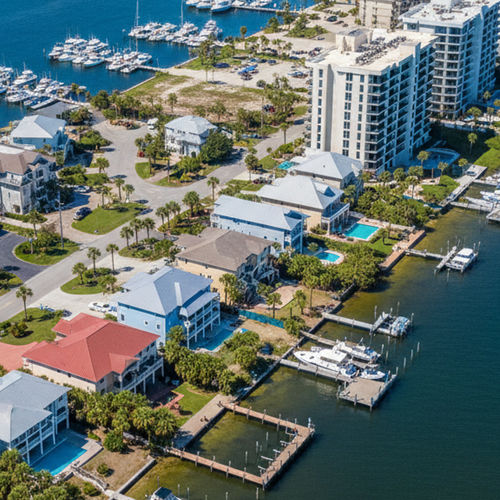

The Emerald Coast offers some of the most dynamic real estate opportunities in Northwest Florida, and the epicenter of this activity runs right along the Gulf of Mexico. For buyers looking to invest in beachfront property or find a permanent coastal residence, understanding the local geography is essential. The market moves quickly here, driven by strong demand for direct beach access and world-class amenities.
Navigating the inventory requires a clear grasp of the zoning, pricing tiers, and property types available along the shoreline. Whether you are searching for a high-rise condominium with panoramic water views or a detached home tucked away from the main commercial centers, this stretch of highway dictates much of the local market dynamics. This guide breaks down exactly what prospective buyers need to know about the area in 2026.
Exploring the Front Beach Road Corridor
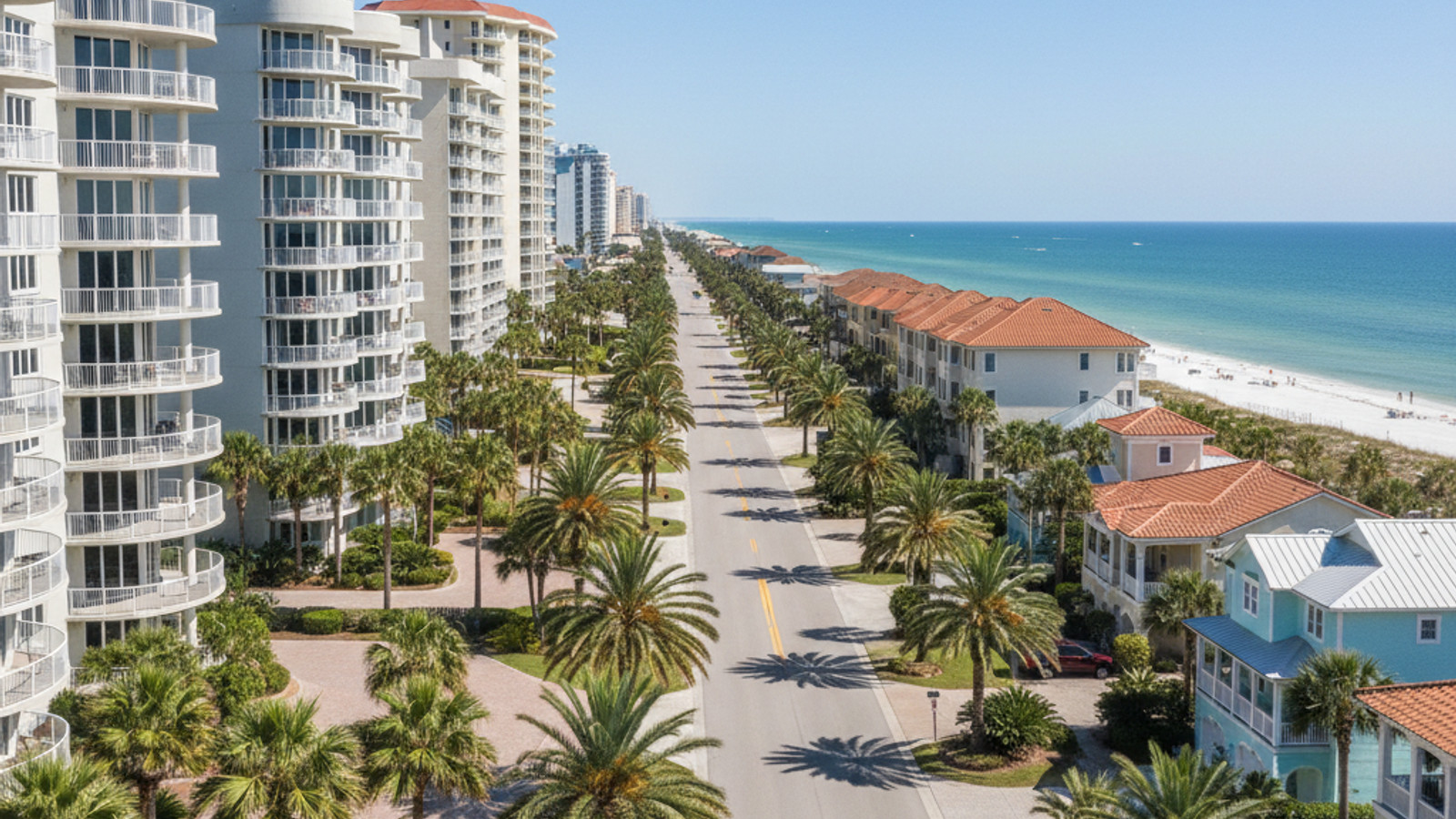
Serving as the primary spine of Panama City Beach real estate, this corridor stretches along a significant portion of the city's 27 miles of white sand beaches. It acts as the central hub for tourism, commerce, and residential life in the area. Buyers focusing on this strip will find a highly developed, energetic environment that maximizes its proximity to the water.
The layout of the road creates a distinct boundary between the immediate beachfront and the inland residential zones. Properties located directly on the south side of the street offer unobstructed views and private or semi-private beach access. Meanwhile, the north side provides a slightly different lifestyle, often trading direct water frontage for larger lot sizes and more traditional neighborhood layouts.
Understanding this geographic divide is the first step in identifying the right property for your specific goals. The density of development shifts noticeably as you travel east to west, offering a spectrum of ownership experiences. Buyers should expect a bustling atmosphere during peak seasons, which directly supports the robust short-term rental market found along this route.
Property Types Along Front Beach Road
The gulf-front skyline is heavily dominated by high-rise condominiums, which make up the bulk of the available inventory for investors and second-home buyers. These developments typically offer extensive on-site amenities, including resort-style pools, fitness centers, and dedicated parking structures. As you move slightly inland or toward the western end of the corridor, the density begins to decrease.
Attached townhomes are heavily concentrated along this route and serve as highly functional short-term rentals. These properties often provide a middle ground for buyers who want multiple bedrooms without the maintenance requirements of a standalone house. Detached single-family properties are also available, though they are generally positioned on the north side of the road or clustered in specific lower-density pockets.
For pure investment purposes, high-rise condominiums remain the most efficient vehicle for capturing seasonal vacation revenue. Primary residents, however, tend to favor the detached single-family homes on the north side of the corridor to avoid the transient nature of resort towers. Balancing your intended use with the property type is critical for long-term satisfaction in this market.
2026 Real Estate Pricing: Gulf-Front vs. North Side
The broader Panama City Beach market maintains a median list price hovering between $450,000 and $480,000 as we progress through 2026. However, looking at the citywide median obscures the stark pricing divide created by the main coastal highway itself. Location relative to the water is the single largest determinant of property value in this zip code.
Gulf-front properties carry a significant premium, with condominiums starting around $800,000 and turnkey beachfront single-family homes frequently exceeding $4,000,000. These valuations reflect the scarcity of direct waterfront land and the income-producing potential of the properties. Conversely, the north side of the road offers much more accessible entry points, typically ranging from $300,000 to $450,000 for standard residential units.
Buyers must also factor in the carrying costs associated with coastal real estate, which extend well beyond the purchase price. High-rise condominiums command substantial monthly homeowner association fees that cover exterior maintenance and shared amenities. Additionally, insurance requirements for wind and flood coverage on the gulf side will noticeably impact the total cost of ownership compared to inland parcels.
Local Amenities, Retail, and Parks
The commercial infrastructure supporting this stretch of coastline is robust and designed to handle high volumes of residents and visitors. The corridor provides immediate access to major shopping districts, dining establishments, and outdoor recreation spaces. Walkability varies by specific block, but the overall area is highly connected by both pedestrian paths and micro-transit options like the Bay Town Trolley.
Access to the water is preserved through numerous public beach access points distributed frequently along the road. This ensures that even residents living on the north side or further inland can easily reach the Gulf of Mexico. Beyond the shoreline, the area features several major community hubs that anchor the local lifestyle.
Buyers evaluating the local amenities will find a few standout facilities that define the area. These key locations provide the foundation for the local lifestyle:
Pier Park serves as the primary commercial epicenter, featuring over one million square feet of retail, dining, and entertainment space.
Frank Brown Park offers extensive recreational facilities, including sports complexes, aquatic centers, and large event spaces.
The Bay Town Trolley system provides a reliable public transit alternative for navigating the busiest commercial zones without a personal vehicle.
Bay County School District Zoning
Residential addresses along this corridor fall under the jurisdiction of the Bay County School District. For buyers planning to make Panama City Beach their primary residence, understanding the local school assignments is a standard part of the property search. The district operates several campuses designed to serve the growing population of the coastal communities.
Breakfast Point Academy is the primary facility serving students in pre-kindergarten through eighth grade in this zone. For secondary education, J.R. Arnold High School is the designated campus for students in grades nine through twelve. Both facilities are integrated into the local infrastructure and are accessible from the main coastal highway.
It is crucial for buyers to independently verify the specific zoning for any parcel before making an offer. Attendance boundaries can shift based on population growth and district realignments. A quick check with the Bay County School District office will confirm the current assignments for a specific street address.
Commute Times and Regional Connectivity
Navigating Bay County requires an understanding of the primary traffic arteries, especially given the seasonal influx of visitors. While the coastal highway offers scenic views, US 98 - also known as Panama City Beach Parkway - serves as the high-speed alternative for getting across town. Residents quickly learn to utilize US 98 for daily errands to avoid the slower, pedestrian-heavy traffic near the water.
Connectivity to major regional infrastructure is a strong selling point for this market. Whether commuting for work or traveling out of state, the road network provides straightforward access to key destinations. Factoring seasonal traffic patterns into your daily commute is essential, as travel times will fluctuate significantly between January and July.
Understanding the local geography helps buyers set realistic expectations for travel. Typical drive times to major regional hubs include:
Northwest Florida Beaches International Airport (ECP) is approximately a 20 to 30-minute drive heading north via FL-79.
Downtown Panama City is roughly 15 to 25 minutes away, requiring a commute east across the Hathaway Bridge.
Major employment centers in neighboring coastal communities are easily accessed via the US 98 corridor.
Frequently Asked Questions
Are short-term rentals allowed along Front Beach Road?
Yes, short-term rentals are widely permitted and represent a massive portion of the local real estate economy. However, buyers must verify the specific homeowner association rules for individual condominium buildings or subdivisions. Some localized community bylaws may restrict rental durations even if the city zoning allows them.
What is the price difference between Gulf-side and north-side properties?
Gulf-front condominiums typically start around $800,000, while direct beachfront single-family homes often exceed $4,000,000. In contrast, properties situated on the north side of the road offer a much lower barrier to entry. Buyers can find north-side residential units ranging from approximately $300,000 to $450,000.
Which airport serves the Front Beach Road area?
Northwest Florida Beaches International Airport (ECP) is the primary aviation hub for the region. It is located just north of the city and is accessible via a straightforward 20 to 30-minute drive up FL-79. This close proximity makes the area highly convenient for out-of-state property owners and vacationers.
Check out this article next