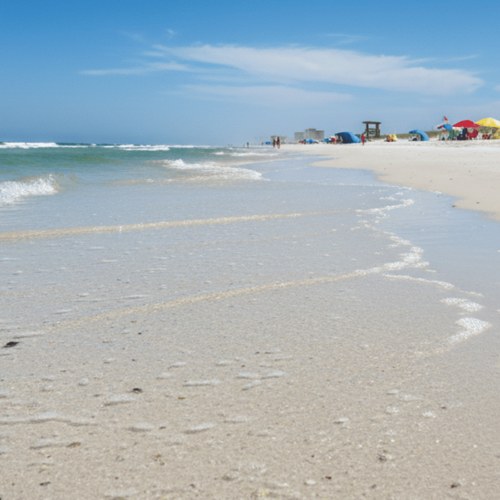

Panama City Beach sits on the Gulf of Mexico and blends year-round residents with heavy seasonal demand.
This guide breaks down the main components of living expenses; housing, taxes, utilities, groceries, transportation, and local income, so you can judge whether beachside living here fits your budget and lifestyle.
Is it expensive to buy a home in Panama City Beach?
Homes for sale in Panama City Beach feel mid-range for Florida beach markets: not as high as major coastal metros, but higher than many nearby inland communities. The local median sale price is about $352,500.
That median reflects a mix of single-family homes, condos, and seasonal properties. Expect premiums for true beachside and Gulf-view properties and lower prices a few miles inland.
If you are relocating or planning retirement, remember the market’s seasonality. Inventory and competition rise before and during tourist season, which affects negotiated prices and days on market.
What is the average rent in Panama City Beach?
Rent runs higher than many inland Florida towns but remains below the most expensive Gulf Coast resort communities. Average market rents are around $2,200 per month across unit types, with a typical two-bedroom near $1,987.
Monthly rates spike during spring and summer when short-term rental demand is highest. For cost-effective housing, long-term rentals marketed to residents are usually the best value.
If you plan to share housing, expect the per-person cost to fall substantially compared with single-occupant leases.
What are the taxes in Panama City Beach?
Florida does not have a state income tax, which is a clear savings point for new residents and retirees. Sales taxes and local surtaxes apply in Bay County and within incorporated municipalities.
Property taxes are calculated from county, municipal and school millage rates applied to assessed value. Homestead and other exemptions can reduce taxable value for eligible primary residences.
When planning your budget, review the annual millage totals because the sum of those local rates determines your final bill.
How high are property taxes in Panama City Beach?
Bay County’s millage schedules list the component rates that make up property tax bills. Effective rates tend to be at or below Florida averages on a percentage basis.
Many homeowners see annual tax bills in the low thousands depending on assessed value and available exemptions. For property-specific details, check the Bay County property appraiser and tax collector resources.
What are the average monthly utility bills?
Electricity is the largest utility expense in coastal Florida because air conditioning runs year-round for many residents. State-level reporting shows residential electric bills near $150 to $160 per month on average, though summer cooling pushes that higher.
Water, sewer, and garbage vary by municipality and provider. Beachfront and resort districts sometimes add special assessments for stormwater or infrastructure that show up on annual bills.
How much should I budget for groceries?
Grocery prices in Panama City Beach line up closely with other Gulf Coast cities, but you’ll see some variation depending on where and how you shop. Here’s a practical breakdown:
- National baseline: Monthly grocery costs in 2025 average about $325–$385 per adult.
- Local pricing: The cost of living index for groceries in Panama City Beach is about 2% higher than the national average, so plan on $400–$475 per month, or roughly $90–$110 per week.
- Specialty or convenience stores: Expect to spend 10–20% more at small coastal markets and seafood counters near Front Beach Road.
In short, most residents can expect to spend around $425–$500 per month on groceries.
How much does transportation cost?
Driving is the norm in Panama City Beach, but costs vary by mileage, car type, and insurance.
- Gas prices: Regular unleaded averaged about $2.70 per gallon. At roughly 25 miles per gallon, driving 1,000 miles a month comes to about $108 in fuel.
- Maintenance and tires: About $110 per month for a 1,000-mile driver.
Altogether, expect monthly driving costs around $550–$650, excluding parking or tolls.
What is the median household income?
Median household income for Panama City Beach is roughly $78,900. This figure gives a sense of local earning power but varies by neighborhood, occupation, and whether income relies on part-time tourism work or full-time employment.
If you are assessing relocation for work, consult local job listings and county labor data for a current picture.
Recommended income to live in Panama City Beach
Aim to keep your housing costs, rent or mortgage, plus insurance and property taxes, to about 30% (or less) of your gross monthly income. For example, if you’re budgeting for a modest two-bedroom that rents for roughly $2,000 a month, keeping rent at or below 30% means a gross monthly income near $6,667 (about $80,000 per year).
If you’re buying, plug local property-tax and insurance estimates into a mortgage calculator and test different down-payments and income levels to see what monthly payment fits comfortably within that 30% guide and your overall debt-to-income picture.
How does Panama City Beach compare with the national average?
Overall, Panama City Beach is more affordable than many coastal resort markets and some larger Florida metros, yet it is costlier than many inland communities. Grocery and utility costs align with Florida norms, with electricity a notable monthly expense because of cooling demands.
When housing premiums for a beachside location are added, some household budgets can exceed the national average. For people relocating from higher-cost metros, Panama City Beach can still represent savings while offering Gulf Coast lifestyle amenities.
FAQs
Is Panama City Beach cheaper than Miami or Naples?
Yes. Panama City Beach’s housing and rental prices are generally lower than larger Florida coastal metros such as Miami or Naples, though the gap varies by neighborhood and proximity to the Gulf. Compare median sale prices, typical rents, and neighborhood-specific fees to see how much you’d actually save for the areas you’re considering.
Will I pay state income tax if I move to Panama City Beach?
No. Florida doesn’t collect a state income tax, so you’ll keep more of your paycheck than you would in many states. That said, sales taxes and local property taxes still apply, so include those bills in your monthly budget or run the numbers with your accountant if you want a precise tax picture.
How much should I budget per month for utilities for a two-bedroom apartment?
A reasonable starting estimate is $150 to $200 per month for electricity in addition to water, sewer, and trash fees. Expect summer cooling to push electricity toward the top of that range, and check with your prospective landlord or utility provider for unit-specific historical bills to get a more accurate monthly number.
Are there public transit options if I do not want to drive?
Bay County operates fixed-route buses and on-demand trolleys that handle many local trips. If you’re thinking about going car-free, map the routes you’d rely on and test first/last-mile options like biking or rideshare to make sure your commute and errands are realistic.
How much should a single person budget for groceries?
Use USDA food-plan guidance as a baseline and add 10 to 20 percent if you frequently buy seafood or specialty items common to beachside markets. Your actual spend will shift based on store choice and dining-out habits, so compare a few local supermarket prices and plan for occasional seasonal premium pricing.
What about healthcare costs?
Healthcare premiums and out-of-pocket expenses vary by plan, age, and subsidy eligibility; marketplace averages in Florida are generally similar to other Sun Belt states. For county-level estimates, check current marketplace rates and local provider networks, and factor in routine care, prescriptions, and potential travel for specialty services when budgeting.
Check out this article next