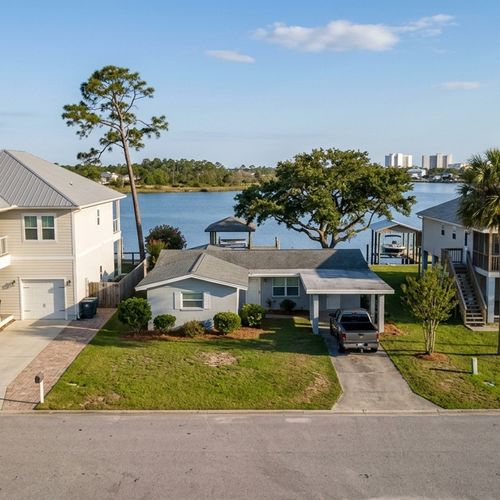

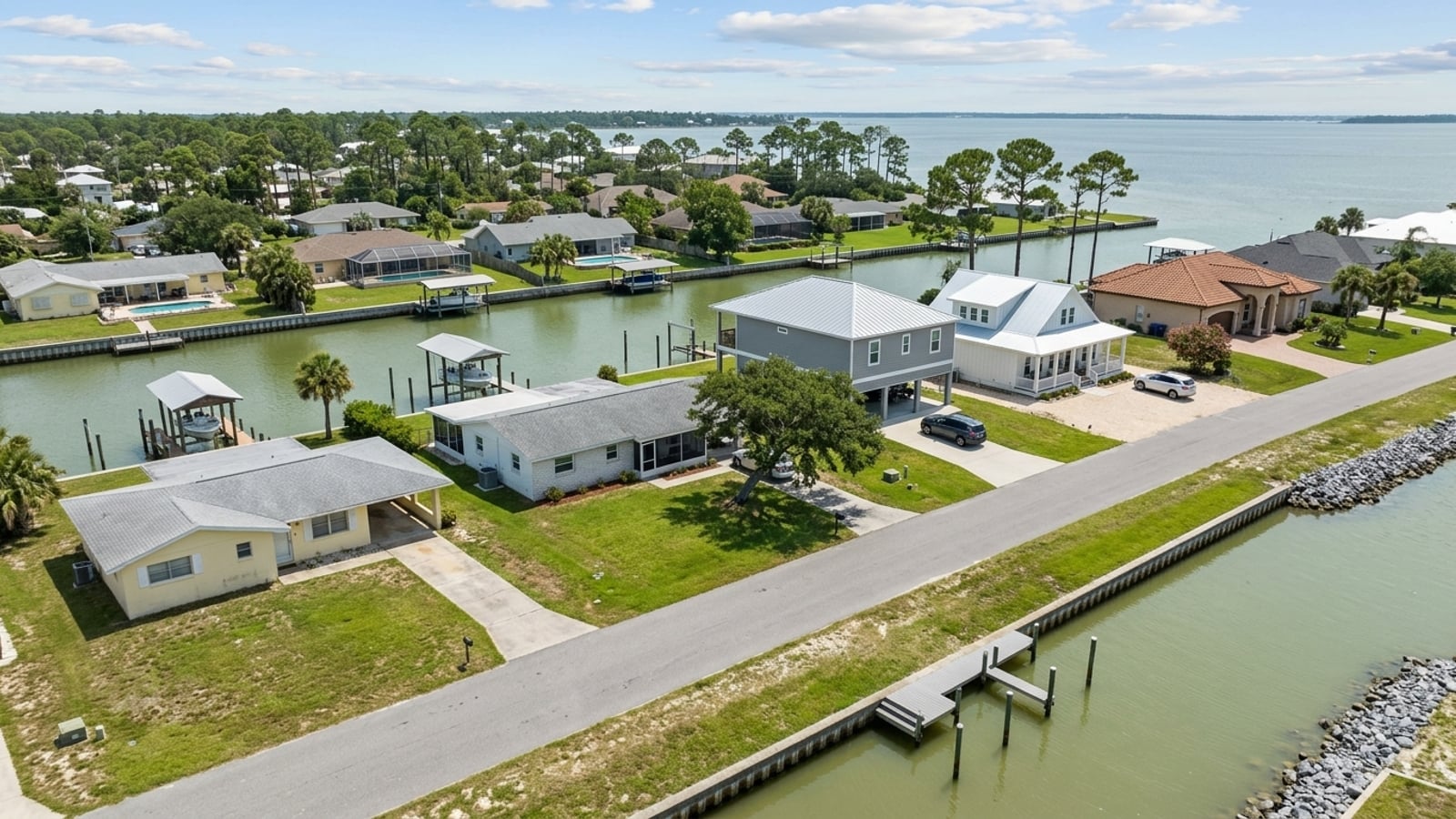
The median home price in Panama City Beach, FL sits around $362,260 right now. Homes are averaging 108 days on the market, which means you have time to do this right when buying waterfront property in Panama City Beach, FL - don't rush through the inspection period just because you're excited about the view.
Buying on the Gulf of Mexico or the Grand Lagoon means dealing with environmental factors that simply don't exist inland. Salt air, tidal shifts, severe weather - these forces work on a property constantly, and the inspection process has to reflect that. The exterior structures and the land itself deserve just as much attention as the house.
Why Waterfront Inspections Require Local Expertise
A standard home inspection covers the living structure - roof, HVAC, plumbing, electrical. All of that still applies here. But an inspector who typically works inland isn't going to evaluate a bulkhead or test a boat lift, and those omissions can cost you.
Homes along St. Andrews Bay or the Gulf deal with a specific kind of wear. Salt air chews through metal components faster than most people expect, and tidal action puts constant pressure on retaining walls. You want an inspector who already understands that environment, not one who's learning it on your dime.
Local homes are selling at roughly 95.3% of list price. You're paying close to top dollar. Before you close, you need a clear picture of whether the shoreline structures are sound and whether the home is built to handle the coast.
Exterior Elements to Check on a Bay County Property
The structures sitting directly on or over the water take punishment year-round, and replacing them isn't cheap. That's what makes their evaluation so central to a waterfront purchase.
Common seawall materials in the Panama City Beach area include reinforced concrete, steel sheet pile, aluminum, and treated timber. Vinyl and composite sheet piles are increasingly popular because they hold up against corrosion. Concrete is a durable traditional choice - it often lasts 30 or more years - though rebar corrosion is a real long-term risk. In some shoreline situations you'll also see riprap, which is loose rock placed to prevent erosion.
Seawalls, Bulkheads, and Riprap
Inspectors look for bowing, erosion, or signs of failure in retaining walls. A compromised seawall doesn't just look bad - during a storm it can mean significant land loss and serious property damage.
Ask the inspector to check the weep holes and tie-backs specifically. Those components handle drainage and structural integrity. If water pressure builds up behind the wall without a way out, the wall fails.
Docks, Piers, and Boat Lifts
On the Grand Lagoon or local bayous, the dock inspection focuses on the pilings - marine borer damage and wood rot are the main concerns - plus the decking and structural supports. Everything needs to be stable enough to handle local tidal fluctuations.
Boat lifts are their own category. The electrical components, cables, and motors all need a close look because saltwater accelerates wear on moving parts. Finding out a lift is failing after you've moved in is an expensive surprise you don't need.
Foundations and Salt Air Corrosion
High water tables and constant moisture are part of life on the waterfront. Inspectors check for moisture intrusion in crawlspaces, lower levels, and around the foundation perimeter.
Gulf salt air also attacks everything it touches above ground - exterior HVAC units, window frames, door hinges. Knowing the extent of that corrosion early lets you budget for replacements and set realistic maintenance expectations going forward.
Flood Zones and Environmental Rules in the Florida Panhandle
Owning on the water in Bay County means operating inside a specific set of environmental and zoning rules. These affect what you can build, what your insurance costs, and how you maintain the shoreline - so you want to understand them before you close, not after.
FEMA designates specific flood zones throughout Bay County, and your property's designation shapes both construction requirements and insurance obligations. Local environmental agencies also regulate what you're allowed to do with the shoreline itself.
FEMA Flood Zones and Elevation Certificates
Check the official Bay County flood maps to confirm whether the property sits in a V zone - a coastal high hazard area - or an AE zone. That designation sets the baseline for flood insurance requirements.
An elevation certificate documents the home's lowest floor relative to the base flood elevation. It directly influences your flood insurance premiums and tells you how exposed the living space is to storm surge.
Water Quality and Septic Systems
Homes near coastal dune lakes like Lake Powell or the local bays sometimes rely on private wells and septic systems rather than municipal services.
That matters because septic drain fields in sandy, high-water-table soils are harder to maintain. A failing system near a waterway isn't just a repair bill - it's an environmental hazard that requires immediate, costly action.
Dock Repair and FDEP Regulations
If the dock needs work, Florida Department of Environmental Protection (FDEP) rules come into play. Under Florida Statute 403.813(1)(d), repairing or replacing an existing dock is exempt from an individual FDEP permit as long as no fill material is used. The structure must be rebuilt within 5 feet of the same location and be no larger than the existing dock. Meet those requirements and the FDEP offers a no-fee online self-certification process for repairing or replacing an existing single-family dock in the same configuration.
Worth knowing before you walk away from a deal over a damaged dock.
Hiring the Right Inspector for Your Coastal Purchase
A standard home inspector may not have the credentials to assess marine structures - and that gap matters on a waterfront property. Look for professionals with specific experience evaluating homes along the Gulf or local bays.
Ask about their background in marine contracting or whether they have structural engineering experience under Florida building codes. Plenty of buyers end up hiring two people: a general inspector for the house and a marine specialist for the seawall and dock. That's not redundant - it's just the reality of what you're buying.
General home inspections in the area typically run $261 to $317, with a wider range of $175 to $396 depending on the size and features of the home. Adding specialized review of seawalls, bulkheads, and docks will push that baseline higher. How much higher depends on the complexity of the waterfront structures.
Frequently Asked Questions
What's included in a Panama City Beach waterfront home inspection?
Everything in a standard inspection, plus a detailed look at the shoreline structures - seawall, dock, and boat lift. The inspector will also check for moisture intrusion and salt air corrosion throughout the property.
Do I need a specialized inspector for a waterfront property in Panama City Beach?
Generally, yes. A standard inspector handles the main house. For the bulkhead and dock, you want someone with marine contractor experience or structural engineering knowledge specific to coastal properties.
How do flood zones affect a waterfront home purchase in Bay County?
They determine your building requirements and what flood insurance will cost you. Homes in FEMA V zones or AE zones will likely require an elevation certificate to secure appropriate coverage.
How much more does a waterfront inspection cost compared to an inland house in PCB?
It depends on what's there. A standard inland inspection in the area averages around $261 to $317. The specialized scrutiny that seawalls and docks require adds to that baseline - the exact amount varies by the complexity of the waterfront structures.
What happens if the seawall or dock fails inspection before closing?
You have options: negotiate repairs, request a seller credit, or walk away. If you decide to rebuild the dock in the same configuration without fill material, you can use the FDEP's no-fee online self-certification process under Florida Statute 403.813(1)(d).
Will the inspection report affect my ability to get hurricane and flood insurance in Florida?
Yes. Insurance carriers often want inspection details before they'll issue a policy. They'll look at the elevation certificate, the roof's condition, and the structural integrity of the home when determining your premiums and eligibility.
Check out this article next